HELANG 1000
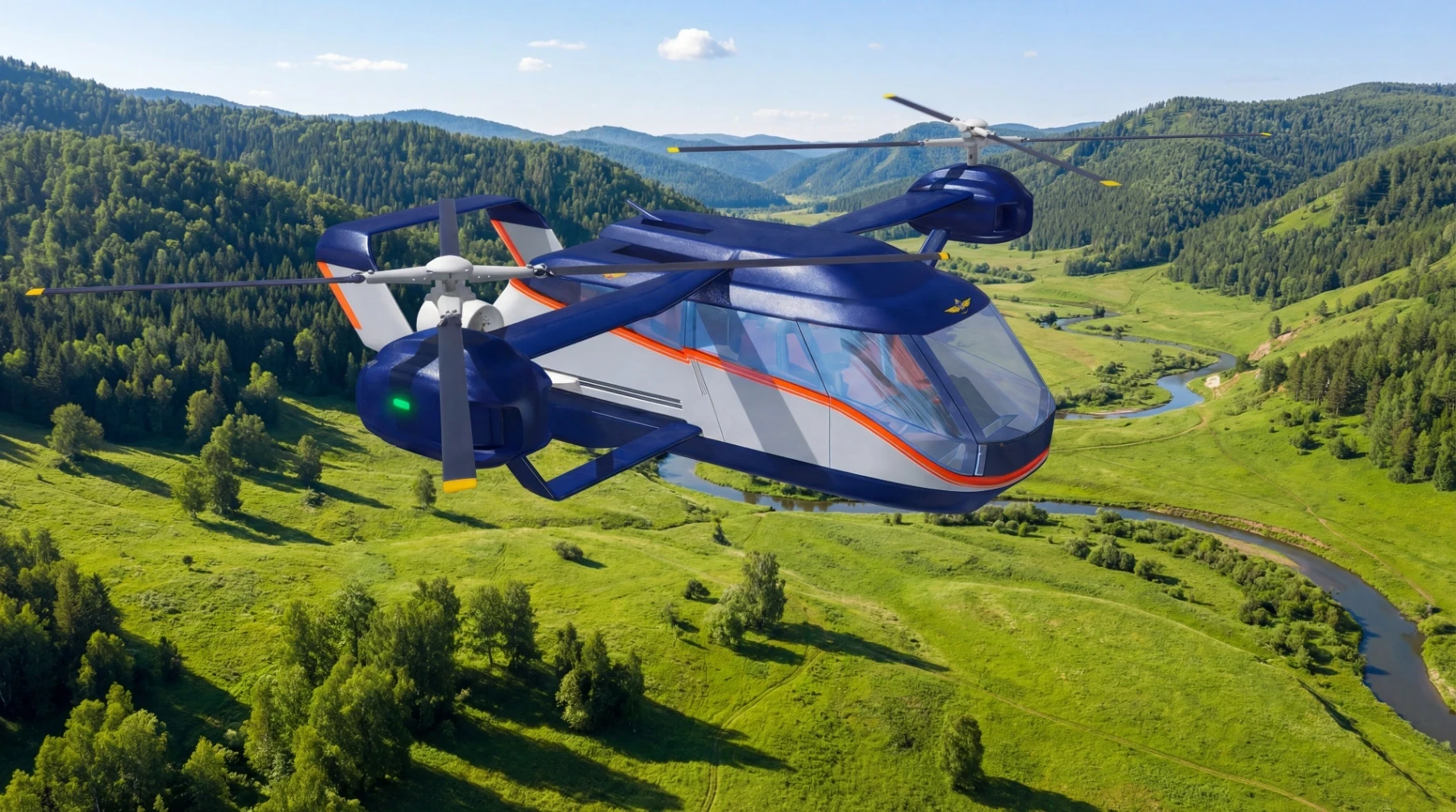
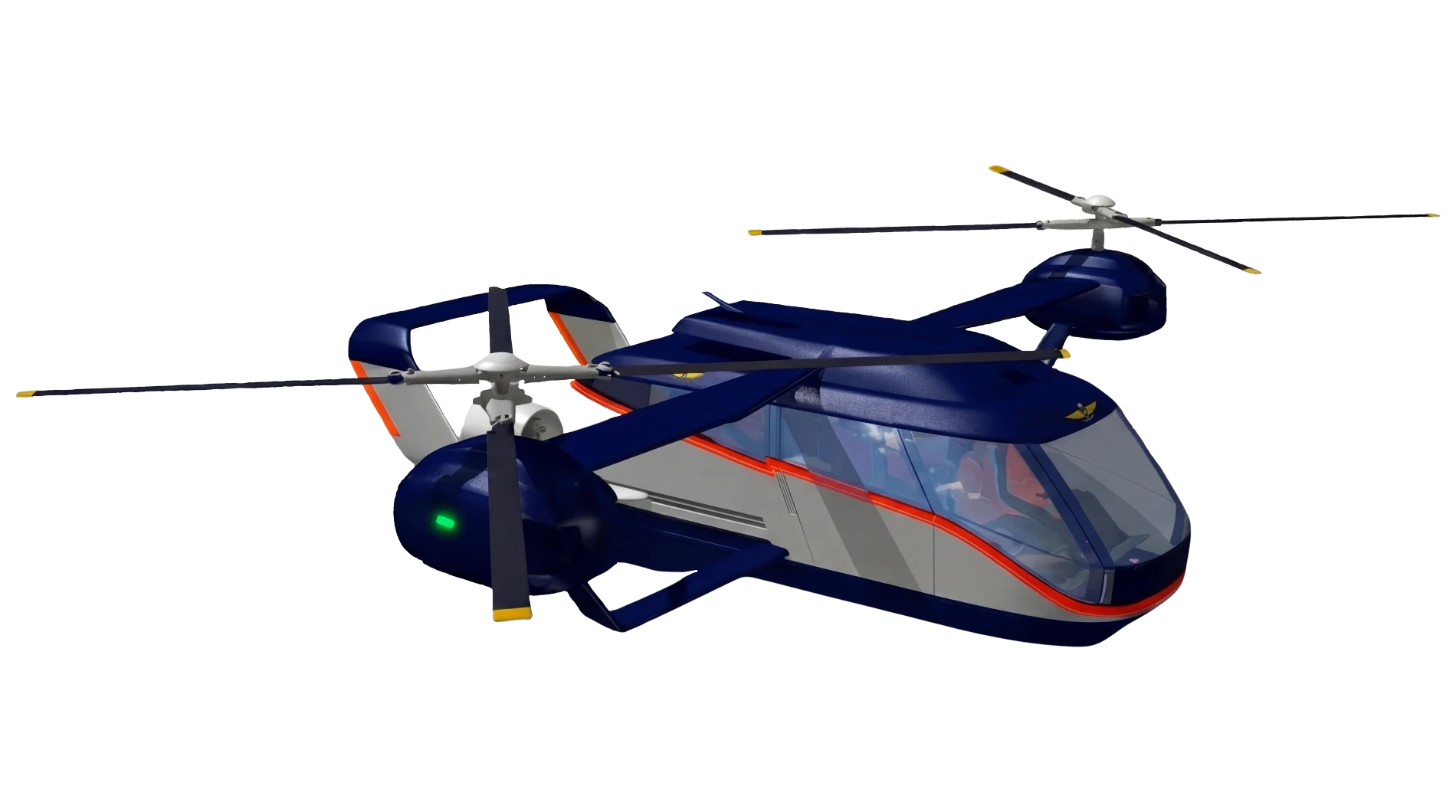
Helang 1000 is a heavy-lift unmanned aircraft designed to carry up to 1,000 kg of payload across long distances — safer, faster, and more efficiently than traditional helicopters.
Built as a modular platform, Helang 1000 adapts to cargo logistics, VIP transport, emergency response, and military operations — all without risking human life.
Speed :
250 km/h
HELANG 1000 C
A flying container
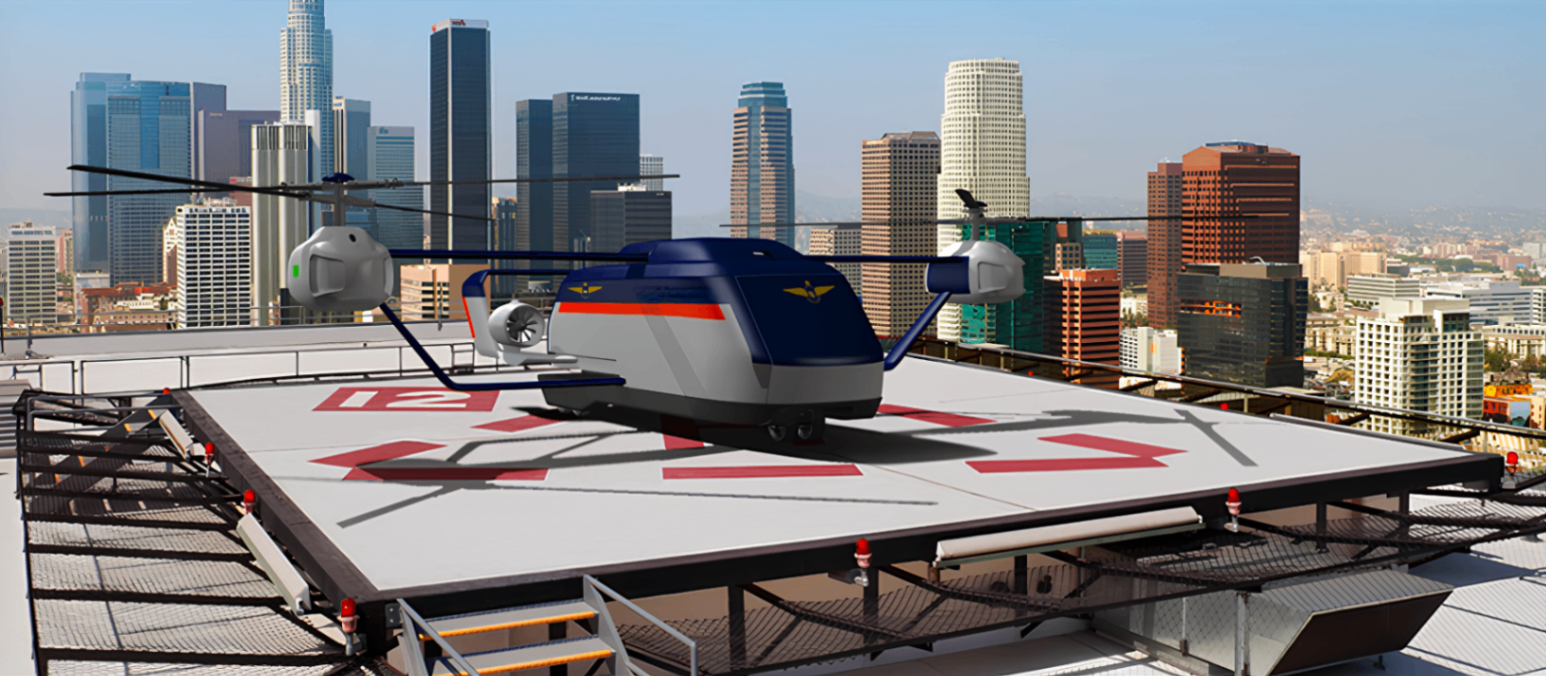
The Helang 1000 Cargo is essentially a flying container, designed around standard logistics requirements rather than traditional aircraft layouts.
It offers space for four Euro pallets with a payload capacity of 1,000 kg, making it immediately compatible with existing cargo handling systems. The aircraft can be loaded from both the front and the rear, allowing faster turnaround times and far greater operational flexibility than conventional aircraft.
Scalable platform
The platform is designed to be scalable. Future versions can significantly increase payload capacity through engine upgrades, without changing the core airframe.
The Helang 1000 can be configured with hybrid, petrol, or natural gas engines. Among these, the natural gas configuration is the most economical to operate and produces a minimal CO₂ footprint, making it particularly attractive for cost-sensitive and environmentally focused operators.
HELANG 1000 V
VIP Cabin Concept
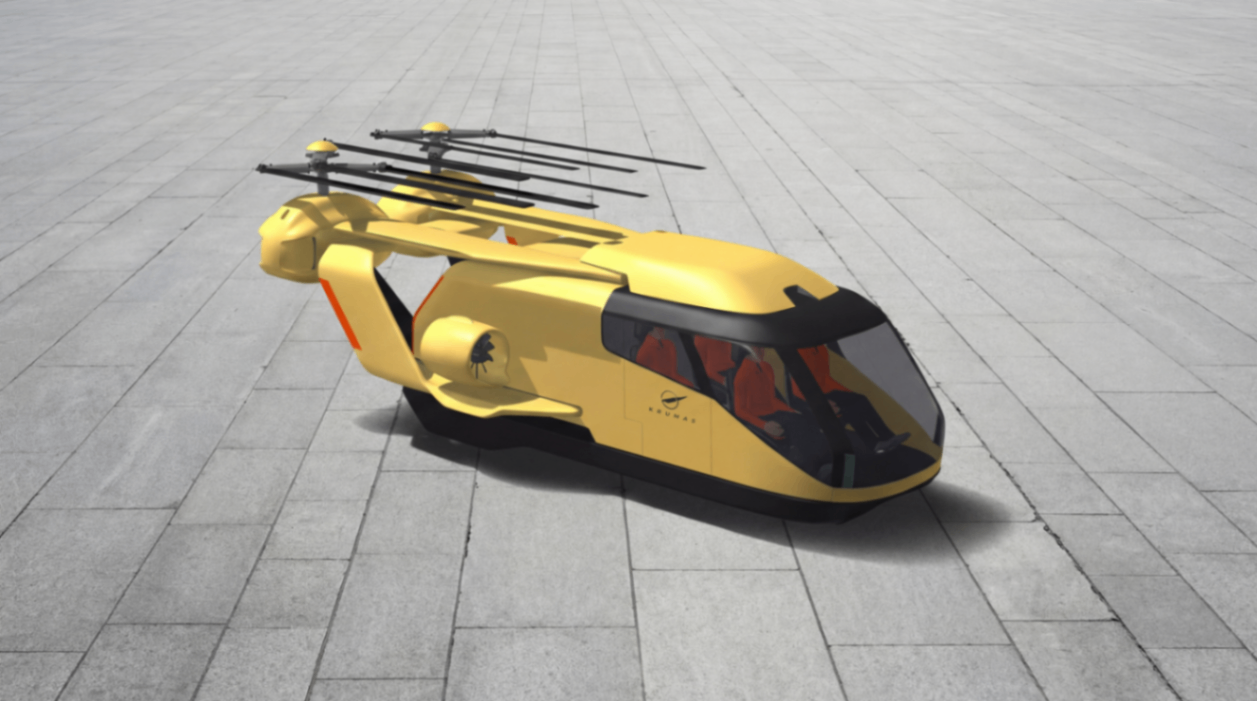
The Helang 1000 VIP cabin transforms the platform into a premium aerial experience designed for comfort, privacy, and flexibility.
The spacious cabin allows for a wide range of high-end layouts, including luxury seating, entertainment systems, and private meeting spaces, creating an experience comparable to a private jet with the advantage of vertical and remote access.
Premium aerial mobility
Large screens, advanced connectivity, customizable interiors allowing chairs to turn and owners can transform the aircraft to personal, corporate meeting room. The aircraft’s inherent stability and redundancy make it well suited for executive transport, island transfers, and remote luxury destinations, positioning the Helang 1000 VIP as a new class of premium aerial mobility.
Designed to maximize passenger comfort, safety, and cabin refinement.
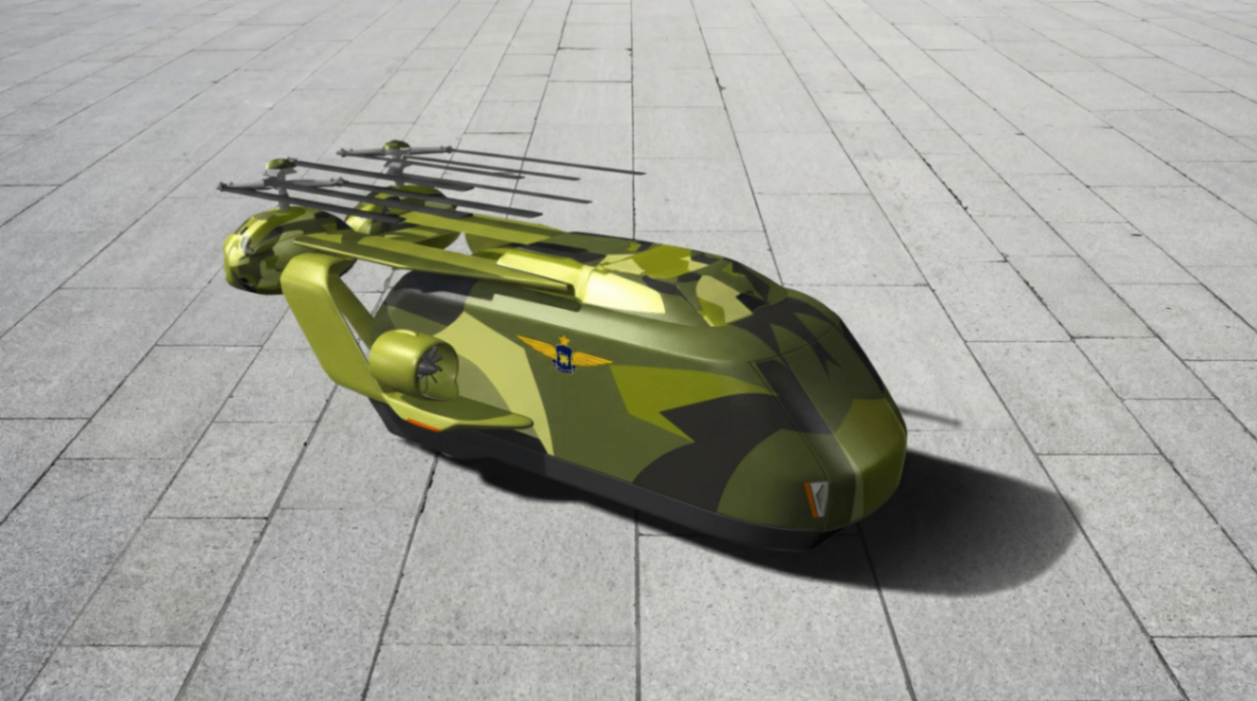
HELANG 1000 (M)
PROTECTING MALAYSIA!
National Security & Disaster Relief Configuration
The Helang 1000 Military configuration is designed to strengthen Malaysia’s ability to protect its territory and respond rapidly to emergencies, without putting personnel at unnecessary risk.
If any intruders arrive at the Malaysian Territorial Waters, the drone can intercept and be loaded with the suitable payload for protection.
Operating day and night
The aircraft can support coastal and border surveillance, maritime monitoring, logistics resupply, and search-and-rescue support, operating day and night in challenging weather conditions.
In disaster scenarios such as floods, landslides, or remote-area emergencies, the Helang 1000 can rapidly deliver food, medical supplies, equipment, and communication systems to affected regions when roads and ports are inaccessible.
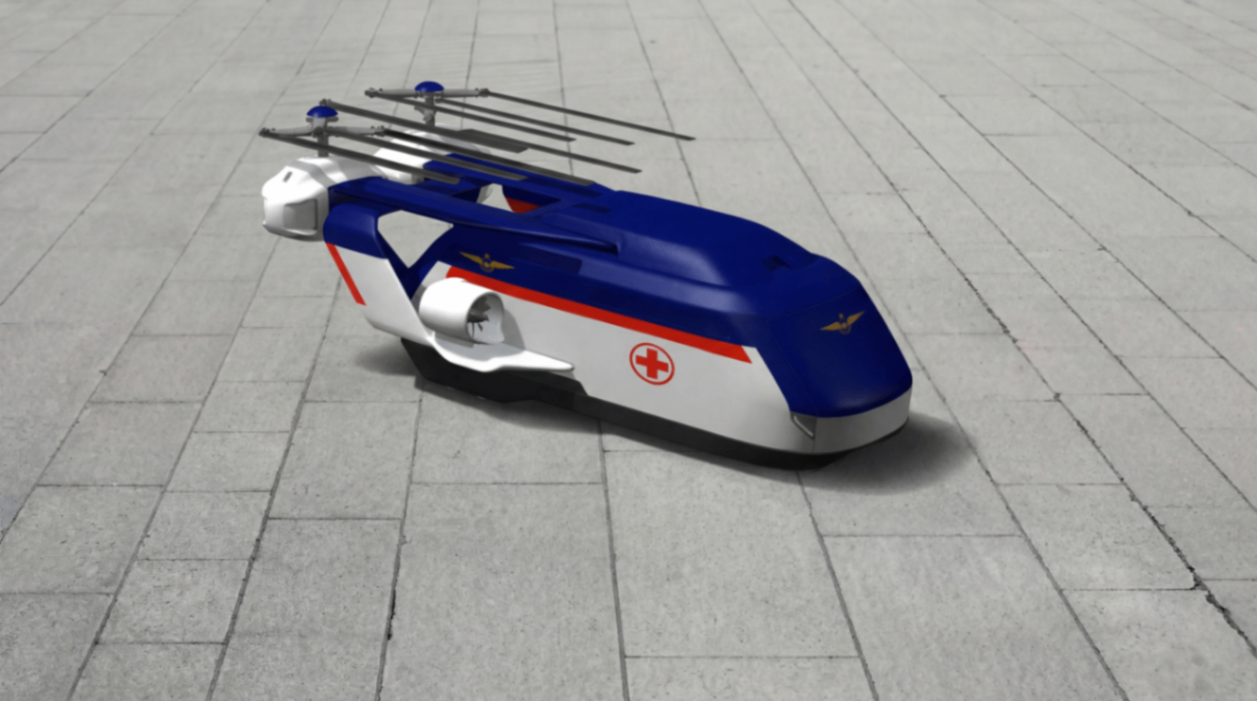
HELANG 1000 E
Flying medical platform
The Helang 1000 Emergency Services configuration is designed as a flying medical platform capable of delivering advanced healthcare to locations where time and access are critical. The spacious cabin allows for the installation of a fully equipped airborne medical suite, including an operating-theatre-style layout, robotic surgery, advanced life-support systems, and space for medical staff to work safely and efficiently during flight.
Remote medical procedures
By combining heavy payload capacity, high stability, and automated flight, the Helang 1000 EMS significantly expands emergency response capability while reducing response time and dependence on traditional ground or helicopter-based evacuation.
1 / 5
Redundant engines, autorotation capability, optional parachute systems, and water-landing modes ensure maximum reliability across all missions.
The platform matures through real cargo operations before evolving into passenger or military roles.
Contact us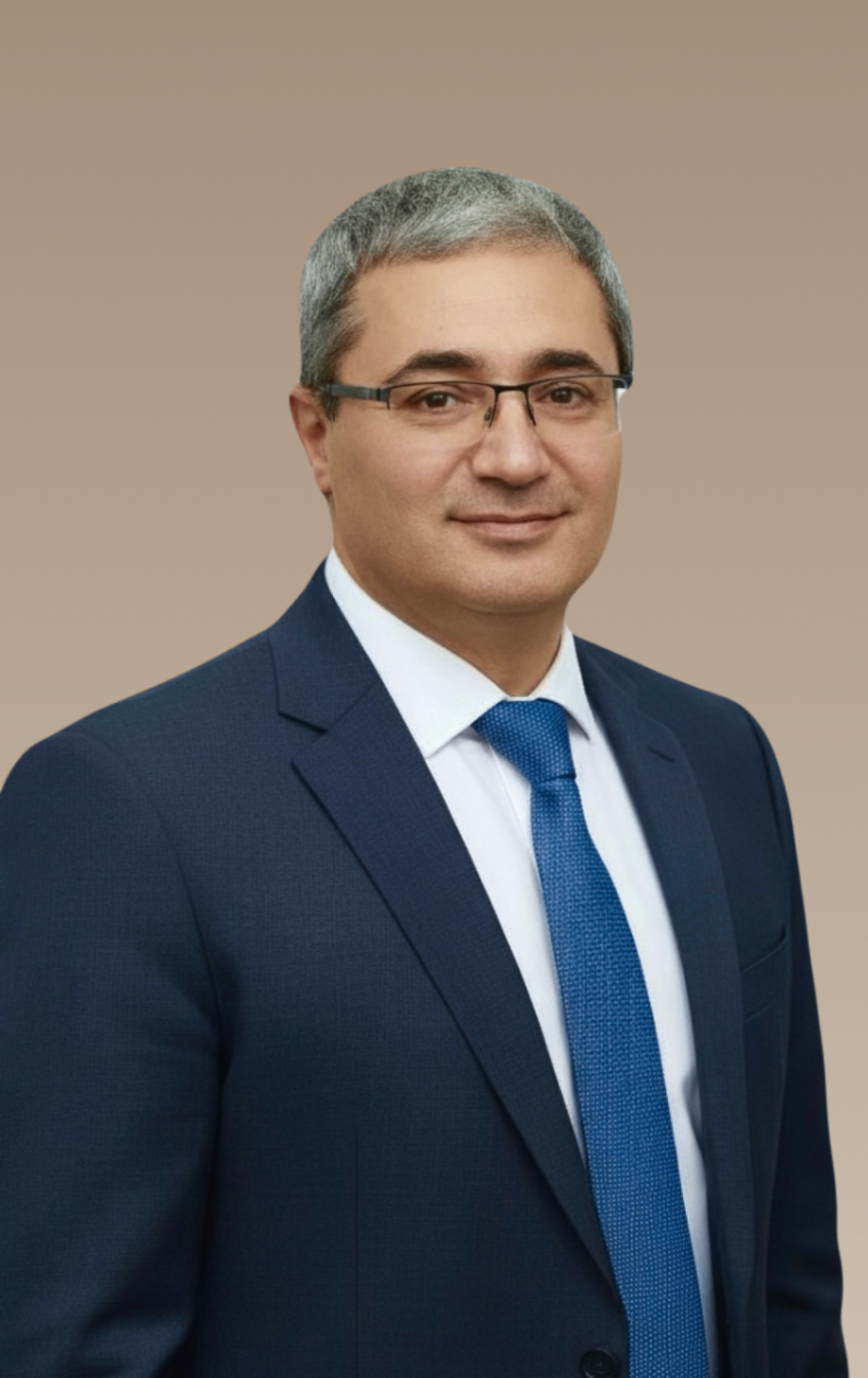
My name is Igor Maslov. I was born on 7 December 1964 in Germany, and engineering has been part of my life for as long as I can remember. In 1982, I entered the Bauman Moscow Technical University, where I studied design engineering. During those years, I also discovered another passion that shaped my way of thinking—classic car rallying and the creation of sports cars. It taught me that great engineering is not only about calculations, but also about performance, reliability, and how a machine behaves in the real world.
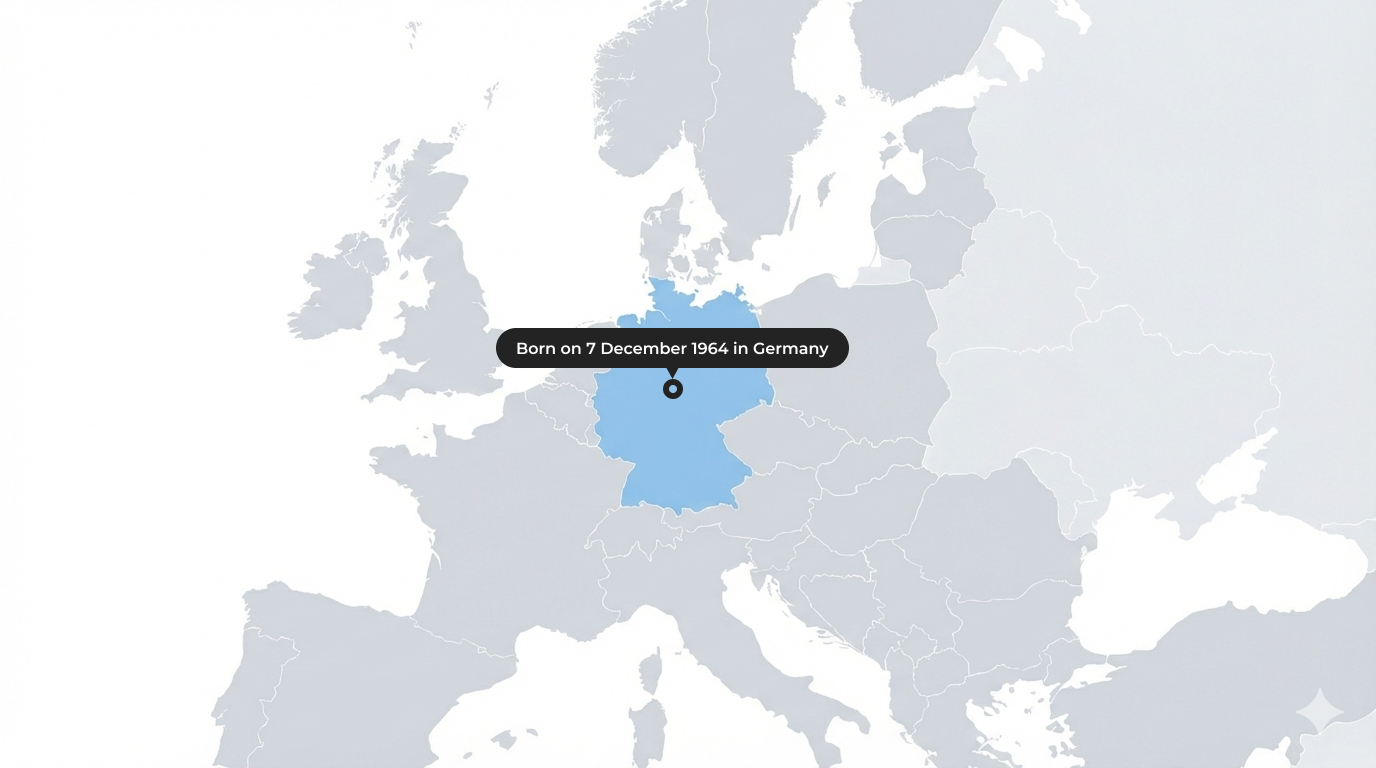
After university, I moved into private industrial production and spent years building technological plants for processing metals and ceramics. That period gave me something extremely valuable: the ability to take a concept, design it, manufacture it, and make it work consistently, not as a prototype - but as a real product.
Since 2000, my full focus has been aviation. For more than 25 years, I have worked on the design and development of both manned and unmanned helicopter technology, and I have built my life around solving difficult engineering problems. I am also a private pilot, which helps me keep a very practical view of aviation—because for me, an aircraft must not only look good on paper, it must be safe, efficient, and truly flyable.


Today, I am one of the key people behind this drone aircraft project. What makes this project special to me is that it has become something even bigger than engineering, it has become a family mission. My son Mark has been working beside me since he was 15 years old, learning the discipline and the details that aircraft design demands. I also have another son, now 20 years old, who is highly skilled in 3D printing, and his expertise supports fast development and rapid iteration during prototype production.
Around 80% of the aircraft is our own design, and the production technologies we require are not theoretical, they are available and already proven through other projects. That is why I truly believe the prototype can be built efficiently and successfully.
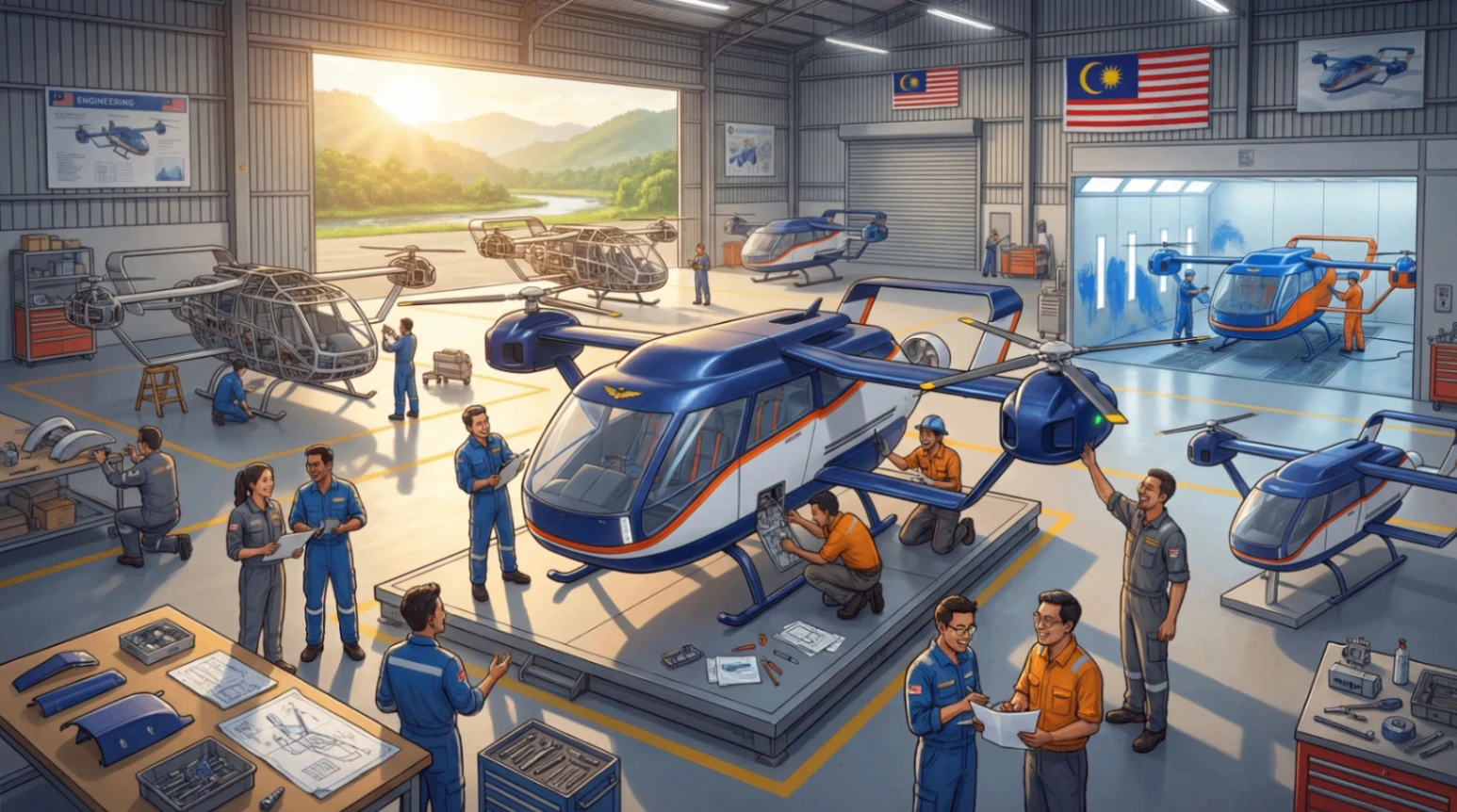
First aircraft deployed to Kyrgyzstan to operate under a real paid contract
Contract pathway supported by the signed MOU (ANNEX 1)

As soon as Prototype 1 is operating under contract, we immediately begin Prototype 2
Prototype 2 will incorporate improvements based on:
operational flight data
system performance
structural feedback
maintenance and reliability observations
Prototype 2 will be built and tested in Malaysia, including a local testing contract (to be confirmed)
Malaysia offers strong real-world test environments, including island logistics and remote supply operations
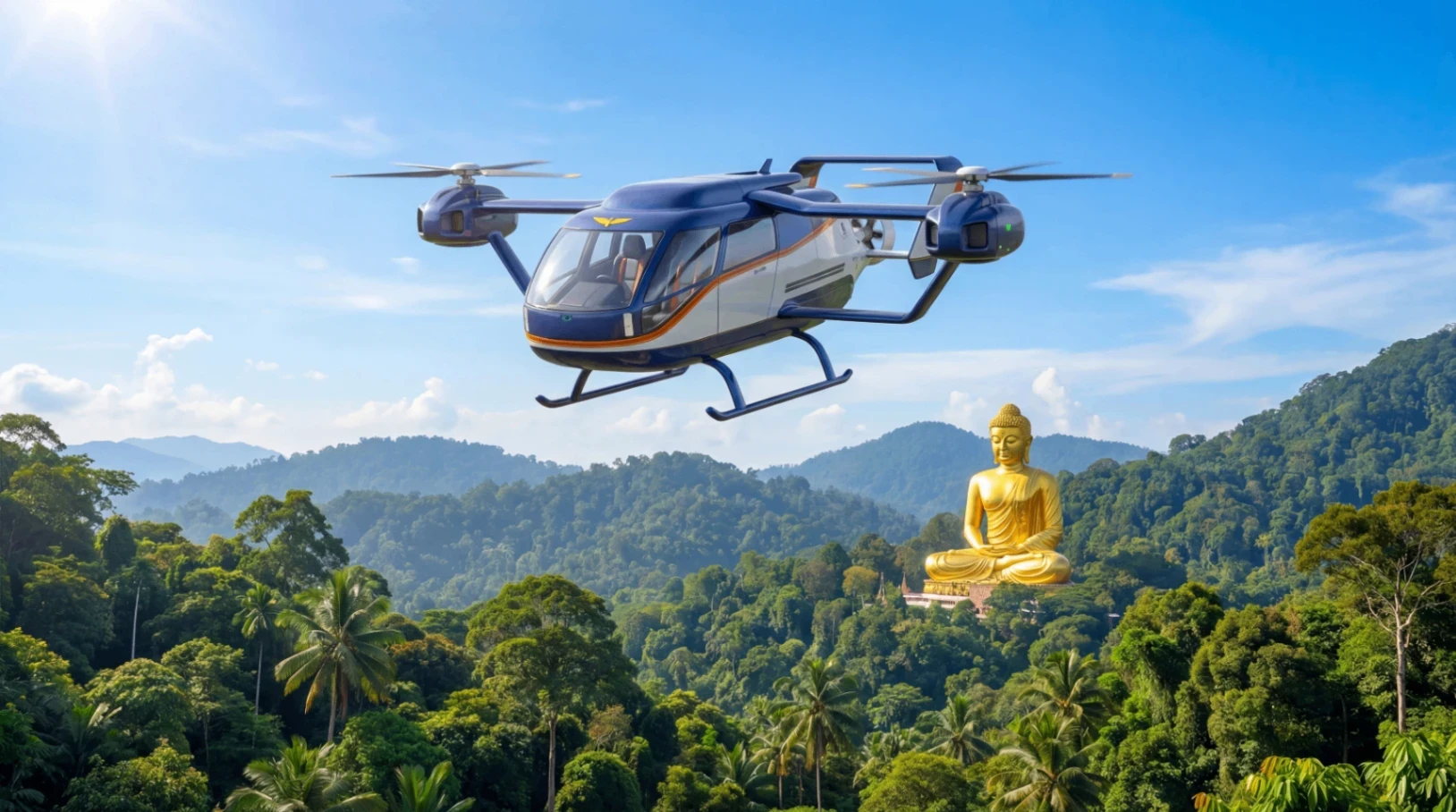
Prototype 3 becomes the final development version before serial production
This aircraft will be fully refined using data and improvements from Prototypes 1 and 2
Testing area to be confirmed (based on mission profile and approvals)
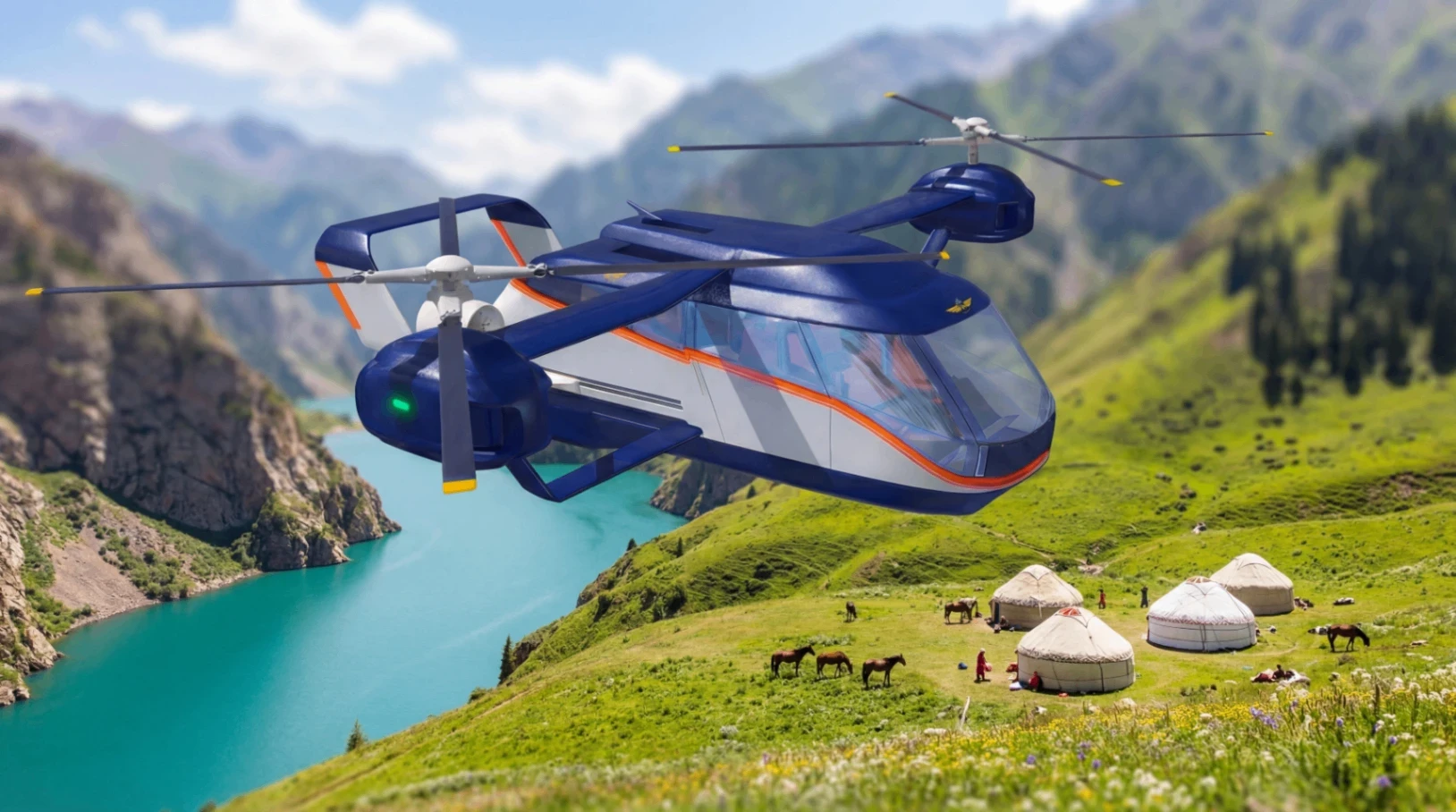
At this stage, the aircraft is fully validated for:
sales readiness
serial production planning
scale-up strategy
The main limiting factor for serial production is typically engine availability, therefore engine supply agreements will be prioritised early.
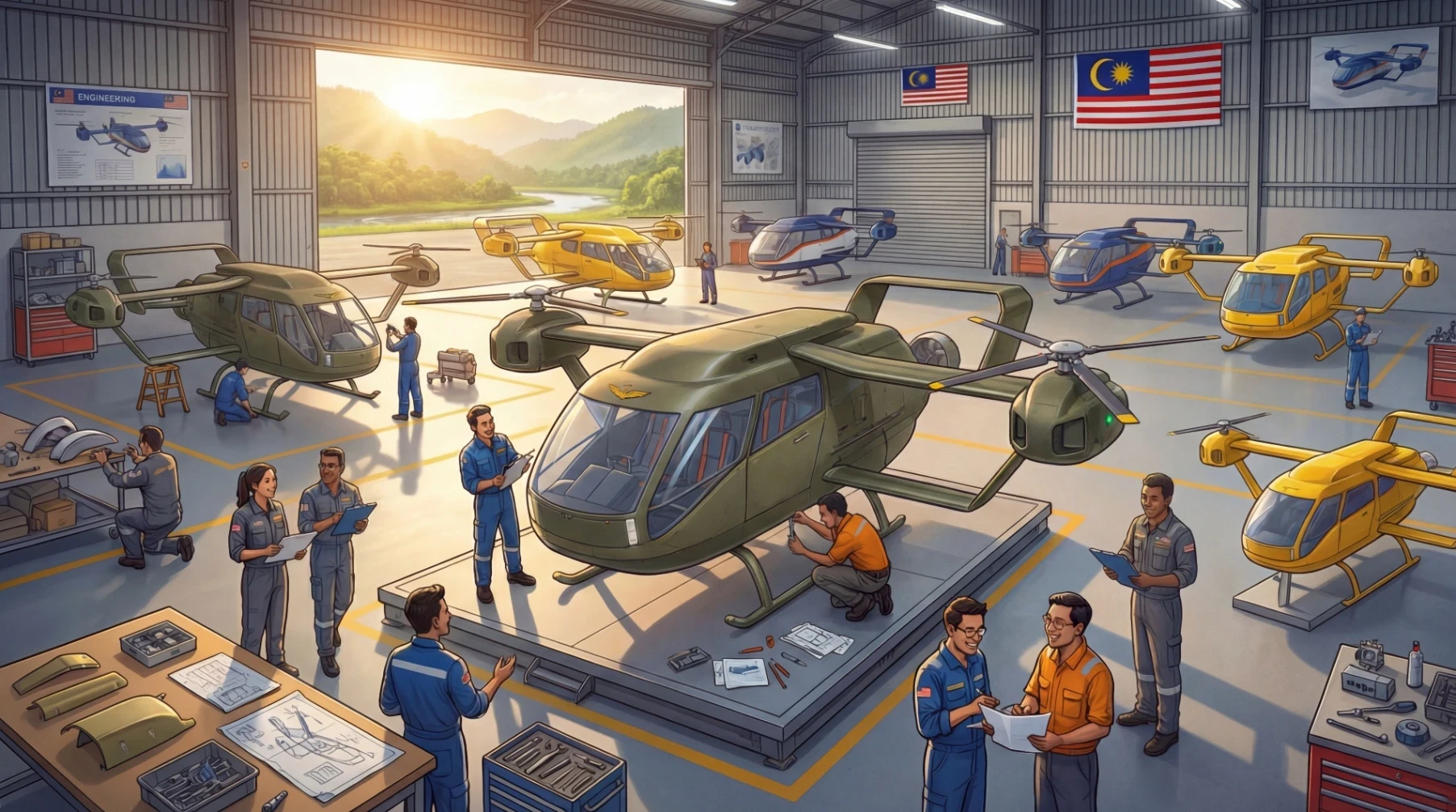
With a budget of €10 million, we can pre-purchase and store components for 25 aircraft
With 15 people on the assembly line, production capacity is:
25 aircraft per year
Development streams initiated in parallel:
Military version development begins in cooperation with defence stakeholders
VIP version concept starts (“Flying Office”)
Certification process begins for key regions:
USA
Europe
Australia
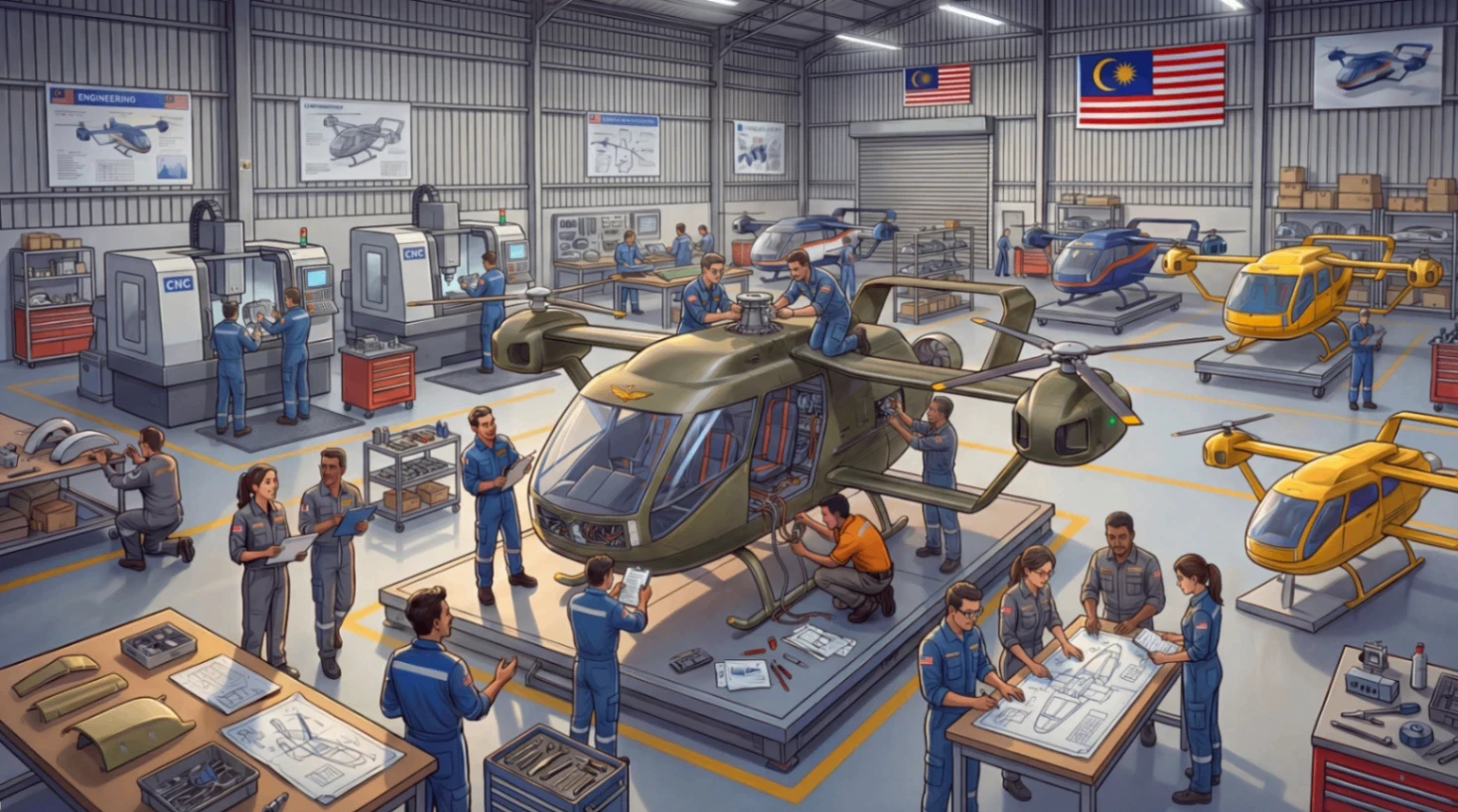
Company becomes financially self-sufficient, enabling production growth
Production capacity increased to:
40 aircraft per year
Flight testing and validation expands across:
VIP configuration
Medical / EMS configuration
Military configuration
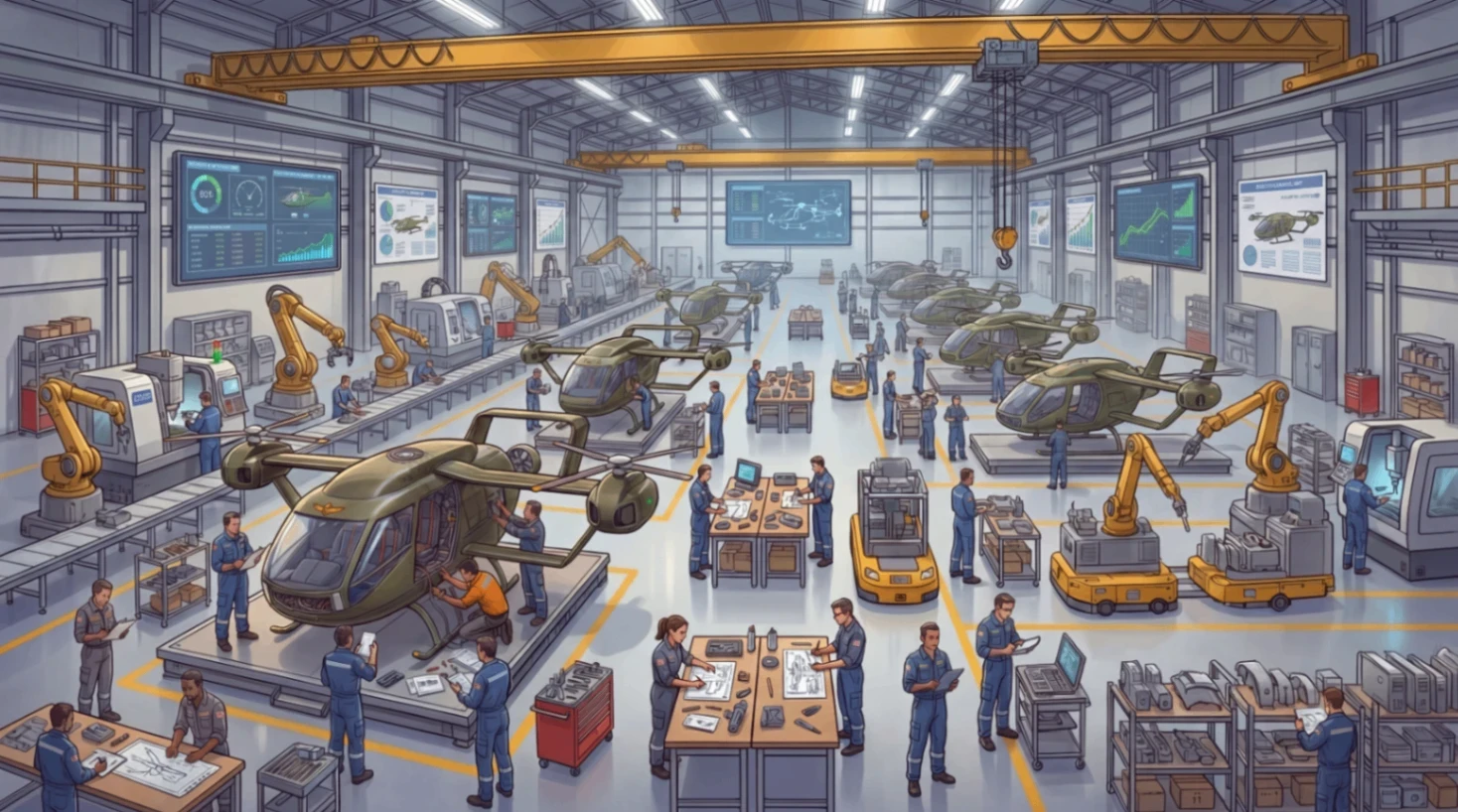
Production increased to:
50 aircraft per year
All major variants completed and operationally ready:
Cargo (base model)
VIP
Medical
Military
We have received serious offers to develop and build this aircraft in China, India, and Germany. We visited all three countries and evaluated them carefully. Each option had strong points, but none felt right for a project of this scale and importance.

India
Presented challenges related to working conditions and long-term sustainability for our team.
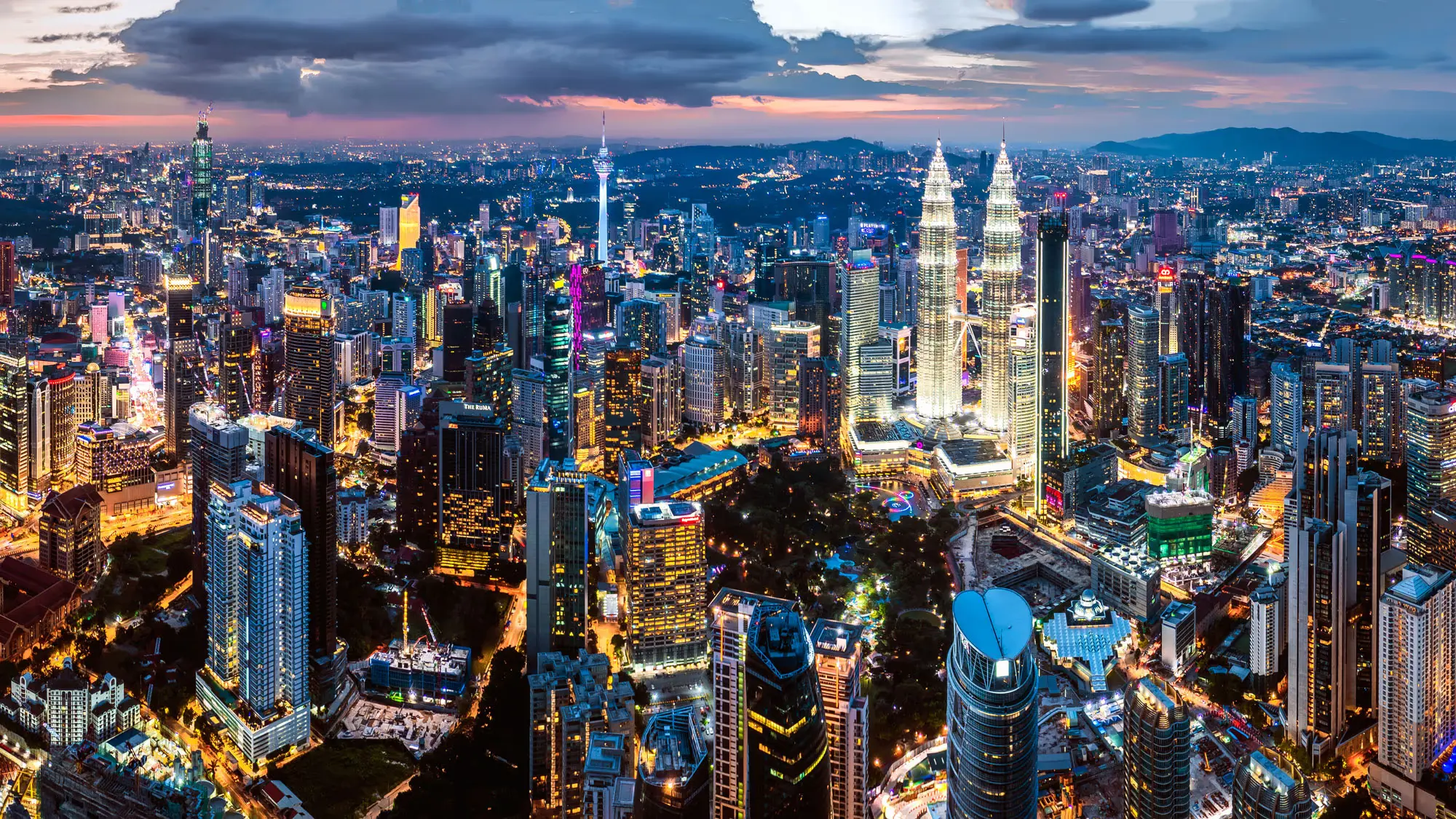

China
Raised concerns around maintaining long-term control and ownership of the project.


Germany
Offers strong engineering capability, but the regulatory environment is heavily layered, slowing development and increasing cost and complexity.

Beyond infrastructure and investment, we asked ourselves a simple but critical question:
Where do we want to spend the next five years of our lives building this aircraft?That question remained unanswered — until Malaysia.
Everything changed when we came to Malaysia as an exhibitor at ASEAN Drone Tech, where we met Martin Braaen. From the very first discussions, it was clear that Malaysia offered something unique.
At the event, the Helang 1000 generated strong interest across:
The response was immediate and genuine. We made meaningful connections, and it became clear that if the project moved forward, many of these stakeholders would want to be part of it.
Malaysia offers a rare combination of advantages:
People-first business culture with strong interest in long-term partnerships
Lower development and production costs without sacrificing capability
A government that is actively encouraging drone and advanced aircraft development
Most importantly, Melaka is being developed as a dedicated drone and advanced aviation hub, with:
This makes it possible to design, build, test, and refine the aircraft in one location.



Malaysia is now forming a coalition of different government and private agencies to form a partnership in securing Malaysia’s interests. We see this as a great mutual opportunity to partner across multiple drone projects.
We simply need to get started and the military and private sector will be attentive to what we do.
Investment groups like Khazanah is also a suitable partner as we are scaling up. The project is lined up to become a Malaysian development, with name and bragging rights to come with.


